





How to Acclimate New Fish to Your Aquarium the Right Way
There is a familiar scene at the end of a trip to the fish store. A plastic bag on the passenger seat. A new tank waiting at home. A rush to get the fish into water that looks clean and comfortable.
That rush is where a lot of new fish die.
The water inside the bag and the water inside the tank are almost never the same. Temperature is the difference most people notice. It is also the least dangerous one. pH, hardness, and dissolved gases can all be miles apart between a store system and a home aquarium, and a fish that gets dropped straight from one into the other tends to look fine for a day or two before dying without warning.
Acclimation is the process of closing that gap slowly. Done well, it takes twenty minutes to an hour and costs almost nothing. Done badly, or skipped entirely, it is one of the most common reasons new stock does not make it through the first week.
Why acclimation matters more than it looks
Fish balance salt and water inside their bodies through their gills and kidneys. When the water around them shifts suddenly, that system gets overwhelmed. The fish stops eating. Its color fades. It hangs near the surface or hides in a corner. By the time these signs show up, the damage is usually done.
pH shock is the worst offender. A swing of even 0.3 or 0.4 points can push a sensitive species past what it can recover from. Softer water species like tetras, discus, and most shrimp are especially prone to this. Livebearers like guppies and mollies are hardier but still stress easily when the water they came from was harder or more alkaline than the water they are going into.
None of this shows up when a fish looks lively in the bag. The stress comes later.
Test the water first
Before opening the bag, test the tank. Ammonia should read zero. Nitrite should read zero. Nitrate should be under 40 ppm. Temperature should sit inside the range for the species being added.
If any of those numbers are off, fix them first. Adding a fish to a tank with detectable ammonia is the same as skipping the whole cycle, and no amount of careful acclimation will save it. A quick check with a liquid kit takes five minutes and saves whole batches of stock. The Pet Perch stocks reliable aquarium water test kits if a set is not already on hand.
Also worth checking is the store water inside the bag. Some shops keep their systems at a very different pH than the average home tank. Knowing that gap in advance decides which acclimation method to use.
Method one: float and mix
This is the standard method and it works for most freshwater community fish where the source water is close to the tank water.
- Turn off the tank lights. Bright light on a stressed fish makes everything worse.
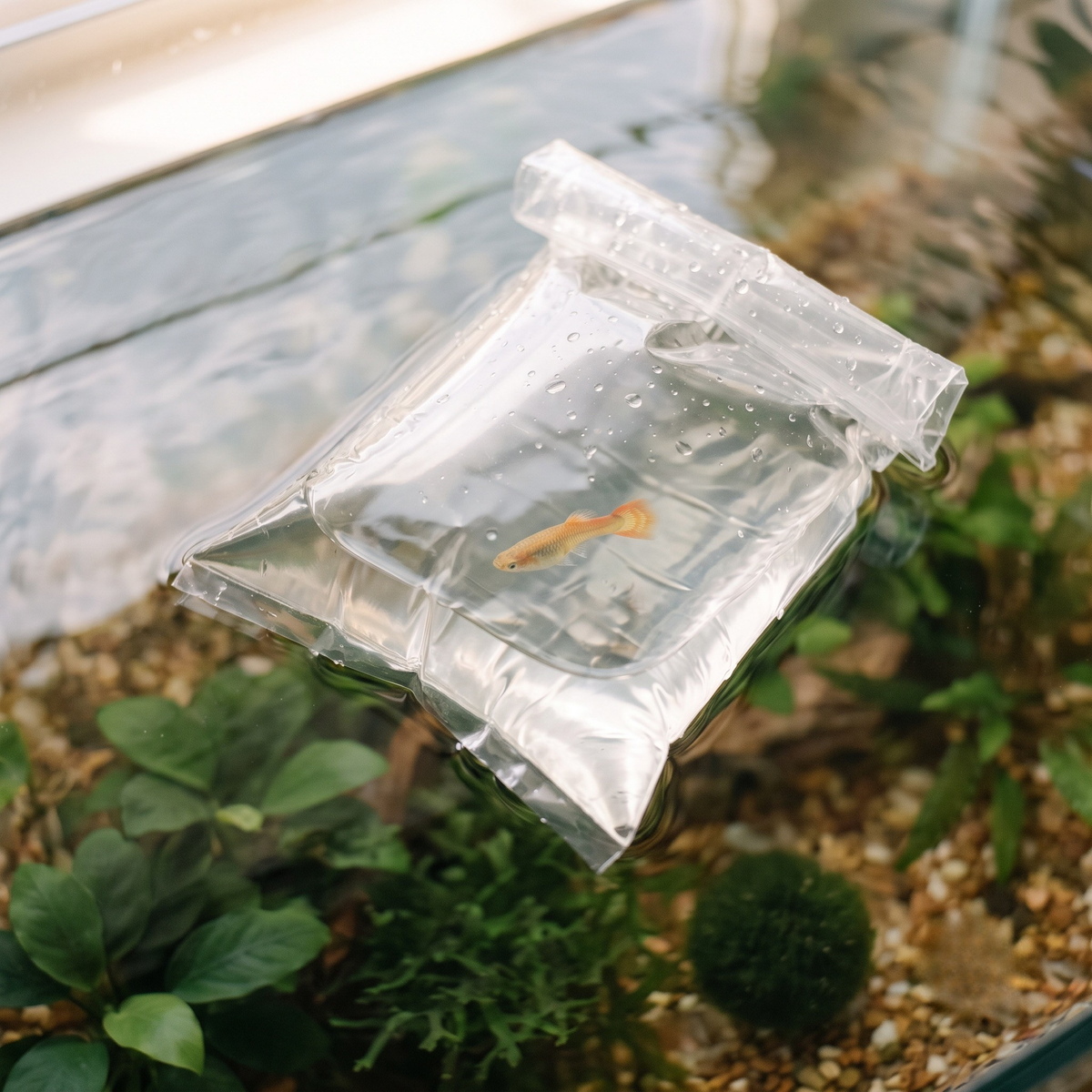
- Float the sealed bag on top of the aquarium for fifteen minutes. This equalizes the temperature.
- Open the bag and roll the top down so it floats like a small cup.
- Add about half a cup of tank water to the bag. Wait five minutes.
- Repeat two or three more times over the next fifteen or twenty minutes.
- Net the fish out of the bag and release it into the tank. Do not pour the bag water in.
The whole process runs around forty five minutes. For hardy species going into water that is chemically similar to the store water, this is enough.
Method two: drip acclimation
Drip acclimation is the slower, safer option. It is the right choice for shrimp, wild caught fish, saltwater stock, and any species known to be sensitive to water changes.
The setup is simple. A length of standard airline tubing, a small plastic control valve, and a clean bucket or container placed below the tank. The fish and its bag water go into the container. The tubing runs from the tank down to the container with the valve set to a slow drip. Two to four drops per second is the usual target.
Over the next sixty to ninety minutes, tank water drips into the container until the total volume roughly doubles. At that point, most of the water surrounding the fish is aquarium water and the transition is close to complete. The fish can then be netted out and moved into the tank. Any airline tubing and drip valves that fit a standard filter setup will work.
For very small containers or very sensitive stock, some keepers pour off half the container water partway through and let the drip refill it, doubling the effective exchange. This adds another thirty minutes but is worth it for expensive or delicate fish.
What to do with the bag water
Never pour bag water into the tank. Store systems can carry parasites, medications, and organic waste from the transit process, and none of that belongs in an established aquarium. Net the fish out cleanly and dispose of the bag water down a sink.
If a fish is too small to net without stress, tip the fish gently into a soft mesh net held over a bucket, then release the fish from the net into the tank.
The quarantine step that saves entire tanks
The single biggest upgrade a fishkeeper can make is a small quarantine tank. Ten or twenty gallons is enough. A sponge filter, a heater, a light, and some hiding places are all it needs. New fish spend two to four weeks in quarantine before joining the main display.
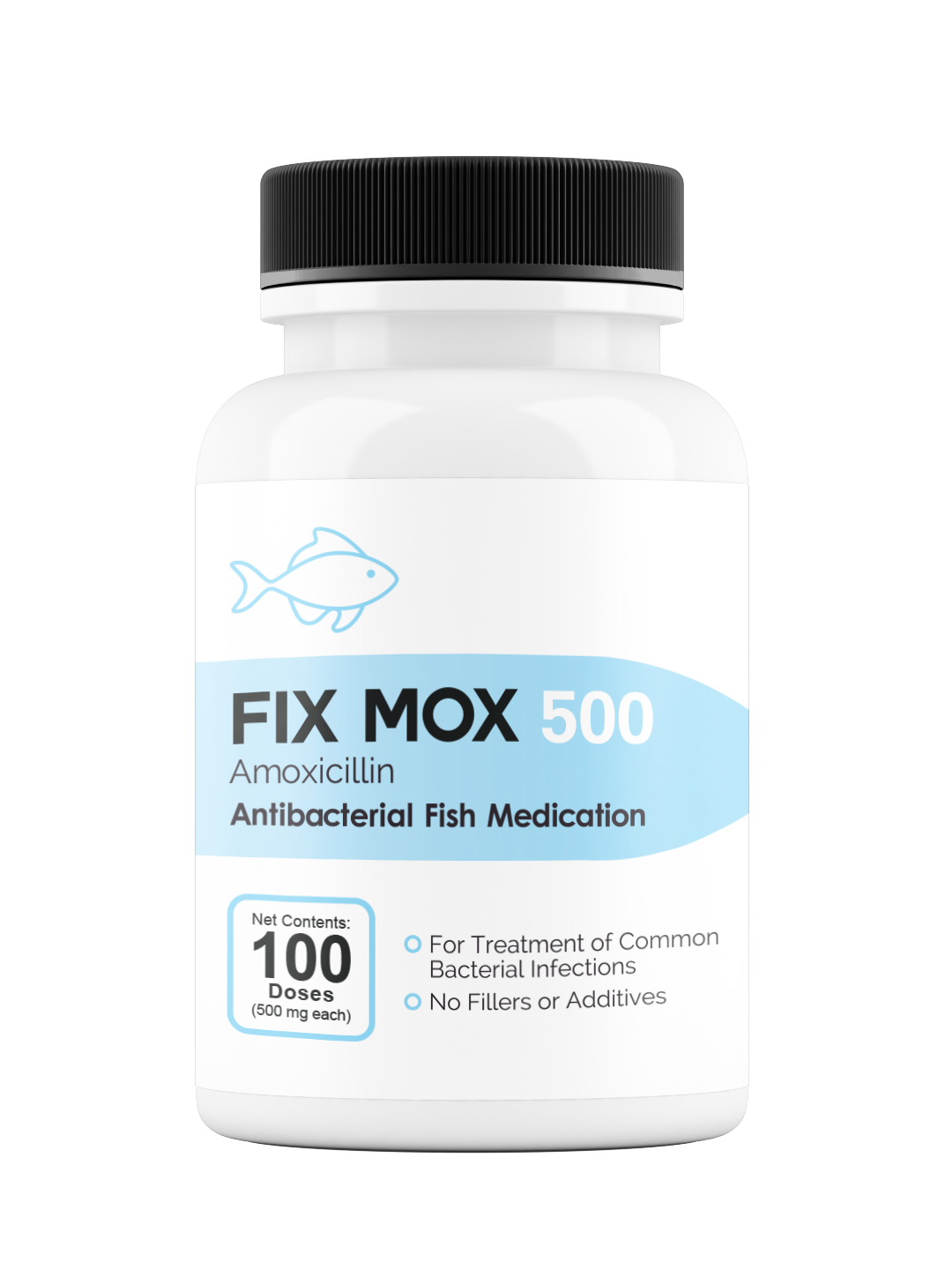
The reason is simple. Ich, velvet, columnaris, and internal parasites travel silently. A fish can carry any of them from the store and show no symptoms for a week. Introducing that fish directly to a stocked tank puts every other fish at risk, and treating a full display tank is far harder than treating one small setup. Keeping a small shelf of fish medications and disease treatments on hand means you can treat at the first sign instead of losing days waiting on a shipment. Ich meds, antibacterial treatments for columnaris, anti-parasitics, and copper-based velvet cures are all worth having ready.
A basic quarantine tank supplies kit runs less than a hundred dollars and pays for itself the first time it catches an outbreak before it spreads.
Signs acclimation went wrong
Watch the fish for the first twenty four hours. Some hiding is normal. Clamped fins, rapid gill movement, gasping at the surface, or a sudden loss of color are not. If any of those appear, test the water again immediately. A stressed fish that gets clean water and quiet dark hours often recovers within a day.
Feeding should wait. A new fish that eats on day one is a good sign. A new fish that refuses food for two or three days is fine, as long as the water quality is holding. Skip the food. Do not add more.
Frequently asked questions
How long should I acclimate new fish? Most freshwater community fish do well with a float and mix acclimation of forty five minutes to an hour. Shrimp, saltwater fish, and sensitive species should get a drip acclimation of sixty to ninety minutes. Faster than that raises the risk of shock. Slower rarely hurts.
Can I skip acclimation for hardy fish? Even hardy species benefit from at least a fifteen minute float to equalize temperature. Skipping acclimation entirely and dumping fish straight in works often enough that some keepers do it, but the failure rate is much higher and the losses are avoidable.
What is the safest way to acclimate shrimp? Drip acclimation over ninety minutes minimum. Shrimp are extremely sensitive to shifts in pH, hardness, and copper. A slow drip gives them time to adjust their internal chemistry without stress.
Do I need a quarantine tank for every fish? For a small casual setup with a few dollar store fish, some keepers skip it. For anything valuable, rare, or added to an established display, quarantine is worth setting up. One outbreak in a stocked tank costs more than the quarantine gear ever will.
Should I feed a new fish right away? No. Wait at least twenty four hours. Most fish are too stressed to eat, and uneaten food fouls the water at the worst possible moment. A day or two of fasting is normal and healthy.
Bringing new fish home the right way
Acclimation is one of those steps that feels optional right up until it is not. The fish that die from bad acclimation almost never look sick in the bag. They look great. And then a few days later they are gone, and nobody knows why.
Twenty minutes of patience, a bucket, a length of tubing, and a quiet room with the tank lights off. That is all it takes to protect the fish that are about to join a tank someone already put months of work into building.