






Seasonal Hoof Care for Horses: A Year-Round Guide to Healthy Feet
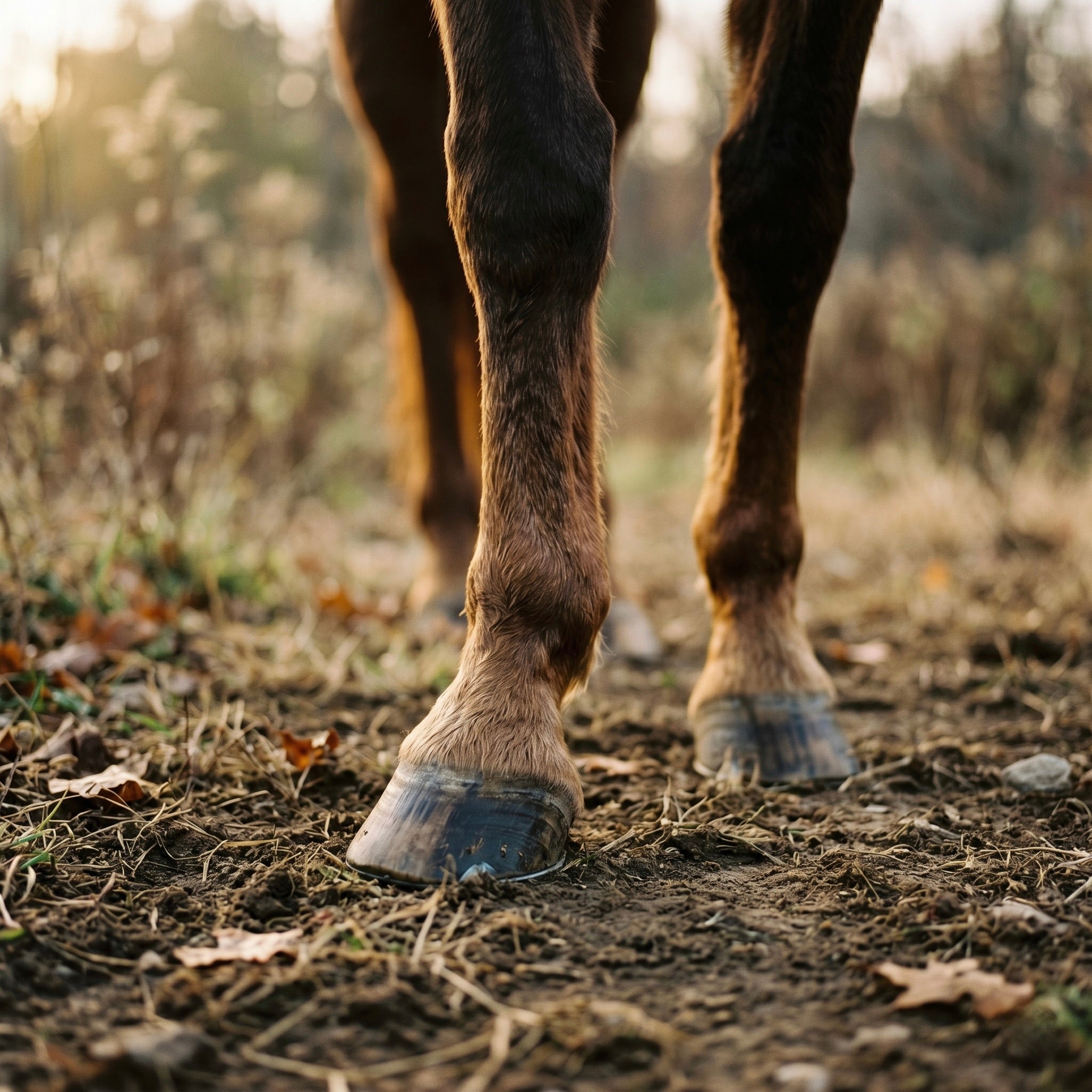
Every stride a horse takes lands on a hoof that is constantly responding to the ground beneath it. Spring mud softens the wall. Summer heat draws out moisture. Fall brings a freeze-thaw cycle that loosens shoes and breeds abscesses. Winter packs ice into the sole and slows growth to a crawl.
Understanding these shifts is what separates a sound horse from a lame one. This guide covers what changes through spring, summer, fall, and winter, plus the daily habits that hold hoof health together across the whole year.
Why Seasonal Hoof Care Matters
Hoof horn grows at roughly one centimeter per month. That rate speeds up in warm weather and slows when temperatures drop. The growing hoof interacts with whatever the foot is standing in. Wet ground softens horn. Dry ground hardens and contracts it. Either extreme creates stress points that show up later as cracks, thrush, abscesses, or shifted shoes.
Consistency matters more than any single seasonal trick. Daily cleaning, regular farrier visits, balanced nutrition, and dry standing areas form the baseline. Seasonal adjustments build on top of that baseline rather than replacing it.
Spring Hoof Care: Managing Mud and New Growth
Spring layers two challenges on top of each other. The ground saturates with rain and snowmelt while hoof growth picks up speed after the winter slowdown.
Soft, wet conditions invite thrush, a bacterial infection that attacks the frog and produces a black, foul-smelling discharge. Daily picking becomes non-negotiable once the rains start. Inspect each foot, clear out packed mud, and watch for softness, odor, or unusual discharge around the frog and central sulcus.
Dry standing areas are the most effective spring intervention available. Horses that spend hours in muddy paddocks develop weakened hoof walls, white line separation, and chronic thrush. Gravel pads near gates, stall mats in run-in sheds, and well-drained sections of turnout give hooves the dry time they need to recover.
Spring is also when farrier visits should tighten in frequency. As growth speeds up, a trim cycle that worked through winter will leave hooves overgrown. Most horses need a trim every four to six weeks during the growing season. Working horses and those with conformation issues may need shorter intervals.
Summer Hoof Care: Battling Dryness and Hard Ground
Summer flips the moisture problem on its head. Hot, dry ground pulls water out of the hoof wall, leaving it brittle, contracted, and prone to cracking. A horse that battled thrush in March may develop quarter cracks or chipped walls by July.
Hydration starts from the inside. Horses drinking adequate water and maintaining healthy circulation grow stronger hoof horn from the coronary band down. From the outside, the goal is to slow moisture loss rather than soak the hoof. Light applications of hoof conditioner or sealant work best when applied after the hoof has been cleaned and fully dried. Applying product to a wet or dirty hoof traps moisture and bacteria against the horn, which causes more harm than the conditioner prevents.
Hard summer ground also stresses internal hoof structures. Concussion travels up through the leg with every step on baked clay or packed gravel. Riders working their horses heavily through summer should weigh whether protective boots make sense for trail work, or whether a conversation with the farrier about pads or alternative shoe materials would help.
Flies add another layer to summer hoof management. Bot flies and stable flies that gather around the coronary band and pastern cause stomping behavior, which loosens shoes and stresses the hoof wall over time. Strong fly control around the legs and barn supports hoof stability in ways that are easy to overlook.
Fall Hoof Care: Preparing for Transition
Fall sits in between, and the in-between quality is what makes it tricky. Mornings bring dew and damp ground while afternoons turn warm and dry. Some weeks deliver steady rain. Others stay clear. The hoof responds to that constant cycling by expanding and contracting, which loosens nails, separates white lines, and opens entry points for bacteria.
Abscesses spike in the fall because of this. The shift between wet and dry conditions lets debris and bacteria work into small sole or white line defects, and the resulting infection produces sudden, severe lameness that can sideline a horse for weeks. Most fall abscesses respond well to soaking and poulticing once they blow, though prevention through daily cleaning and dry standing surfaces remains the smarter approach.
This is also the season to make winter shoeing decisions. Horses going barefoot through winter need adequate time for the wall to thicken before the ground freezes. Horses staying shod may benefit from snow pads, borium studs, or other traction options depending on local climate. These conversations belong in late September or early October, not the week of the first ice storm.
Nutritional support deserves attention in fall as well. Hoof horn that begins forming in October will reach ground level the following spring. Biotin, methionine, zinc, and copper all play roles in horn quality, and a balanced ration or targeted supplement started in fall pays dividends six to nine months down the road.
Winter Hoof Care: Cold, Ice, and Slow Growth
Winter slows hoof growth a great deal, which means the trim cycle can stretch to six or even twelve weeks for many horses. Slower growth does not mean less attention. Frozen, uneven ground creates injury risk, and packed snow forms ice balls in the sole that throw off balance and stress tendons all the way up the leg.
Daily picking still matters in winter, particularly for shod horses. Snow accumulates between the shoe and sole, freezes into a hard ball, and effectively puts the horse on stilts. Snow pads or rim pads help prevent this in regions with heavy snowfall.
Frozen mud is its own hazard. The deep, sharp ruts left in soft fall mud become ankle-twisting obstacles once temperatures drop. Smoothing high-traffic areas before the freeze, or relocating horses to better footing, prevents a winter of bruised soles and sprained pasterns.
Stall time tends to increase through winter, which makes bedding quality more important. Clean, dry, absorbent bedding protects hooves from ammonia exposure, which weakens horn over time. Rubber mats underneath bedding add cushioning and a bit of insulation from cold floors.
The Daily Habits That Tie It All Together
A few core practices protect hoof health across every season.
Pick every hoof every day. Look for heat, discharge, foreign objects, and any changes in shape or shoe position. Problems caught in the first 24 hours rarely become problems that need a vet.
Keep farrier appointments on schedule. Trimming and shoeing intervals should match the horse, the season, and the workload rather than whatever fits a calendar.
Manage standing surfaces. Dry, clean footing outperforms any topical product on the market.
Feed for hoof quality. A balanced diet with adequate trace minerals and protein supports horn that will reach the ground six to nine months from now.
Healthy hooves get built over years, not weeks. Each season carries its own risks and its own opportunities, and horse owners who adjust their routines accordingly end up with sounder horses, fewer emergency farrier calls, and considerably more time enjoying the horses they own.