







How to Read Your Dog's Body Language: A Field Guide to What They Are Actually Saying
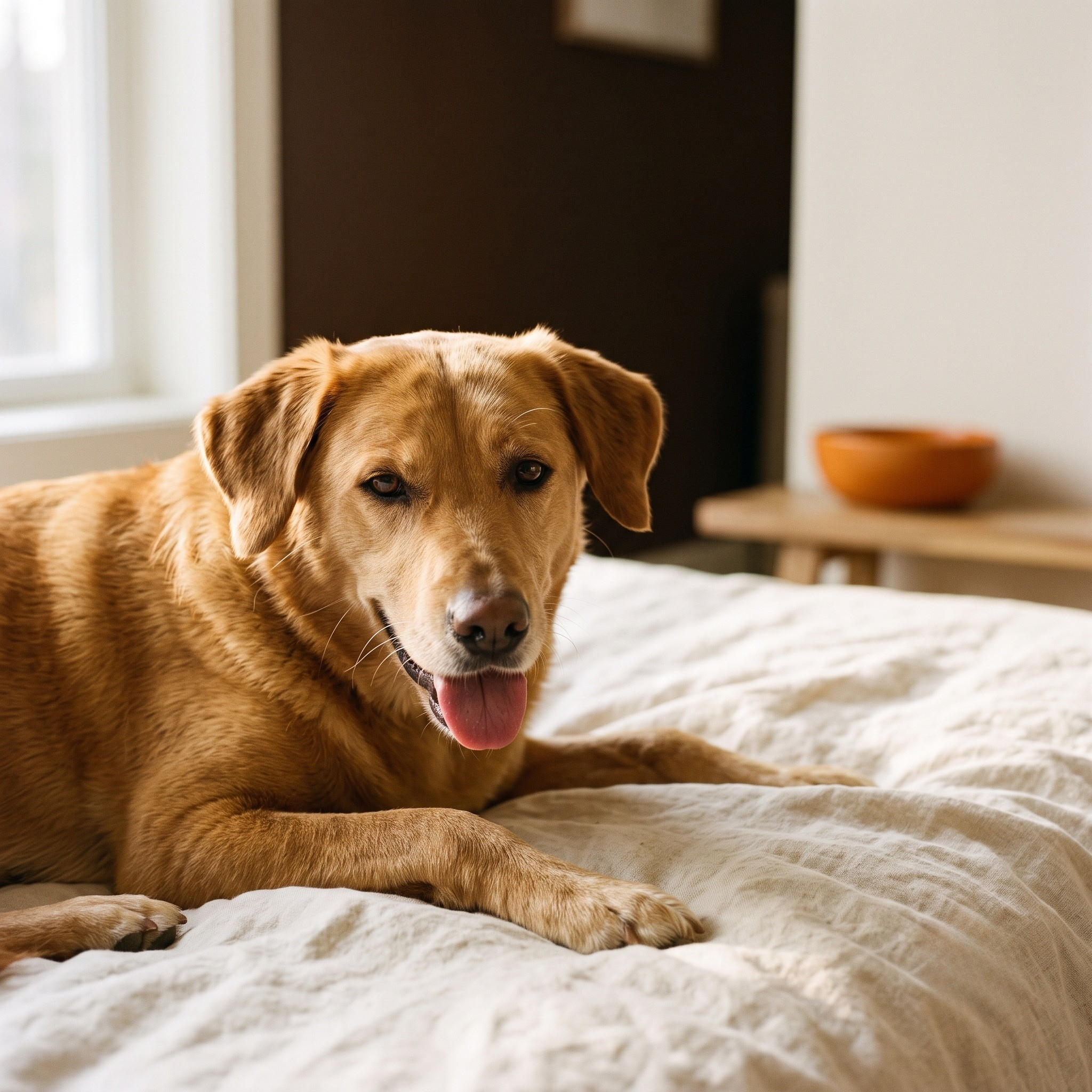
Dogs are constantly communicating. Every ear angle, tail position, muscle tension, and glance is part of a signaling system that predates human speech by tens of thousands of years. Most misread interactions between dogs and people, and between dogs and other dogs, come down to signals that were there the whole time and simply went unnoticed.
What follows is a foundation. It is not exhaustive. Give it a week of active attention and it will change how you see your own dog.
Start with the whole dog
Individual body parts lie. A wagging tail on a stiff, forward-leaning dog is not friendly. A "smiling" dog with hard eyes and a closed mouth is not relaxed. Reading a dog means taking the entire body as one picture: posture, weight distribution, muscle tone, face, tail, and context all at once.
Start with weight. Forward means interest, confidence, or intent. Backward means caution, uncertainty, or a request for space. Neutral and evenly balanced usually means a calm dog.
The face
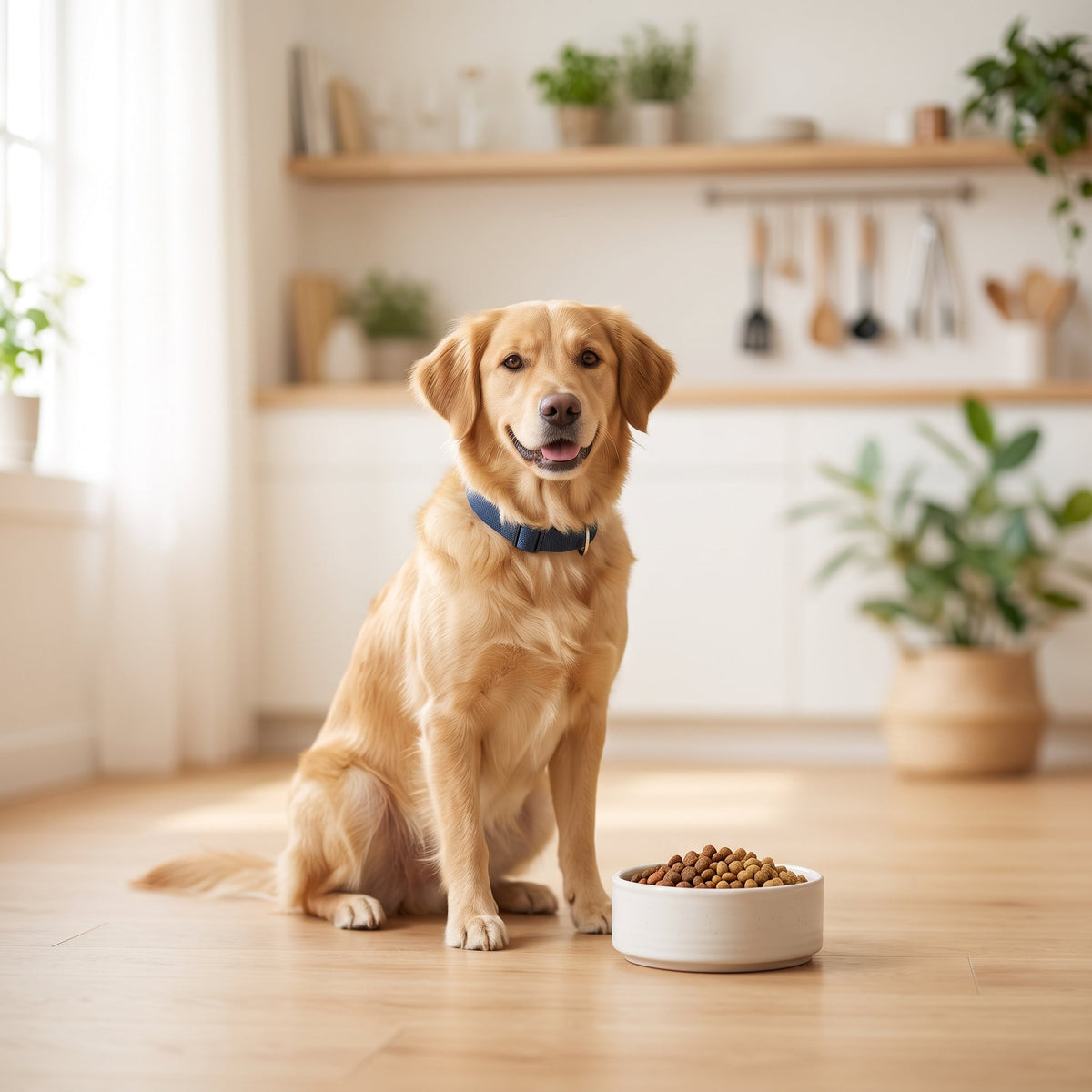
Soft, blinking eyes, a mouth slightly open with a loose tongue, ears in their natural resting position: this is a relaxed dog. Add a tight closed mouth, hard staring eyes, or "whale eye" (the whites showing in a crescent), and the picture changes. A dog showing whale eye is uncomfortable and asking, quietly, for the situation to change.
Yawns and lip licks outside of eating or waking up are appeasement signals. They are the dog's way of saying "I am not a threat, please dial this down." Frequent yawning at the vet, during a hug, or when a child leans into a dog's face is not tiredness. It is stress.
The mouth
A loose, open mouth with the tongue lolling is calm and often happy. A closed, tight mouth is alert or tense. The corners of the mouth pulled forward suggest confidence or aggression. Pulled back, in a long "grin," they usually suggest fear or appeasement.
Panting has to be read against context. A dog panting after a run or on a hot day is thermoregulating. A dog panting in a cool room after a stressful event is stressed.
The ears
Ear position is breed-dependent, so calibrate to your own dog first. Erect ears rotated forward mean focused attention. Ears pinned flat back mean fear or extreme submission. Ears in a natural mid-position mean neutral.
The tail
Tail position tells you emotional intensity. Higher than the topline means aroused, alert, or asserting. Level with the topline means engaged and confident. Below the topline means unsure. Tucked means afraid. The speed and size of the wag tells you how much energy sits behind whatever the tail is saying. A slow, wide wag on a loose body is friendly. A fast, small vibration on a stiff body is not.
Whole-body signals to know
- Play bow. Front elbows down, rear up, tail wagging. An invitation to play and a reset button between dogs. It says everything that follows is a game.
- Freeze. A dog that suddenly stops moving, holds its breath, and stiffens is a dog on the edge of a decision. This is the single most important signal to recognize. A freeze often precedes a snap or a bite. Give the dog space immediately.
- Shake off. A full-body shake outside of being wet is a stress release. Dogs often shake after a tense encounter, a bath, a vet visit, or the end of a training session. It is a good sign that a dog is moving past something.
- Shift, turn, sniff. Turning the head away, sniffing the ground abruptly, walking in an arc: these are calming signals, both self-soothing and directed at other dogs or people. Respect them.
Context matters
The same body language means different things in different settings. A stiff, forward-leaning dog at a fence line is guarding territory. The same posture in a training session might mean intense focus on a treat. Signals always have to be read against what is happening around the dog.
Two things to keep in the back of your mind while you watch. What the dog just experienced in the last minute. And what the dog can see, hear, and smell right now that you cannot.
Consent tests
When you are not sure whether a dog wants continued attention, stop petting and pull your hand back. A dog that wants more will move toward you, nudge, paw, or lean in. A dog that does not will move away, look away, or stay still and hope you get the message. Repeating this every thirty seconds during interaction is one of the fastest ways to build trust with any dog, yours or someone else's.
A short reference
- Loose body, soft eyes, open mouth: relaxed
- Play bow: invitation
- Whale eye, closed tight mouth, yawning out of context: uncomfortable
- Freeze, stiff body, hard stare: warning, back off
- Shake off: reset, tension released
- Tail high and stiff: aroused, not necessarily friendly
- Tail low and loose: calm or unsure, read the rest of the body
The point of learning this is not to catalog behaviors. It is to notice the moment your dog goes from comfortable to uncomfortable long before anyone else in the room does, and to adjust before that discomfort turns into something louder. Dogs are talking constantly. Most of them are just waiting to be heard.