



Spring Has Sprung, And Dogs Know It Before Anyone Else
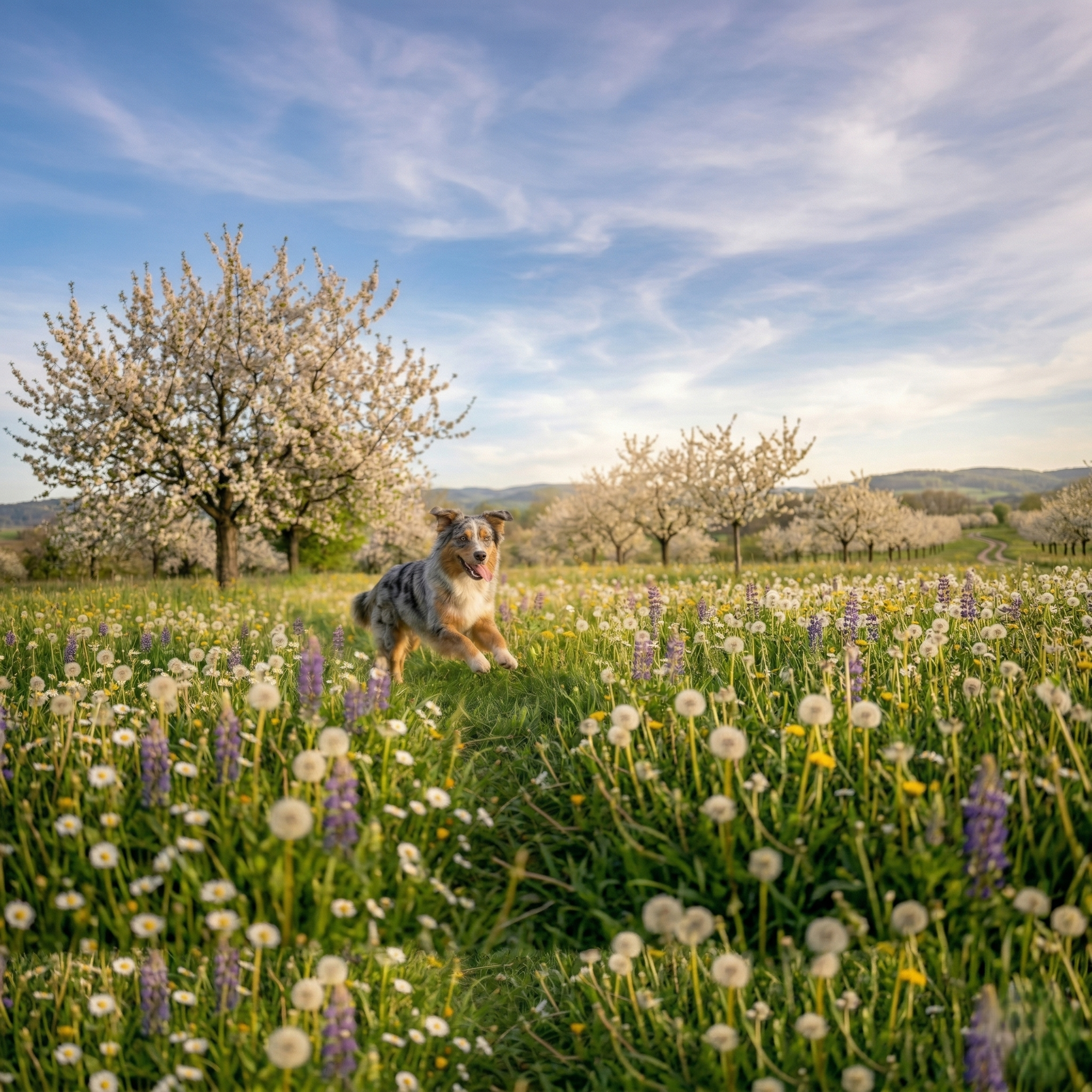
Something shifts in dogs around mid-March. They get twitchy near the back door. Their noses kick into overdrive on walks. Every mud patch becomes a sacred rolling destination. This isn't general canine weirdness. Dogs pick up on spring before the calendar catches up. Thawing ground, returning birds, barometric pressure drops. They register all of it.
Spring thrills dogs, but it drags a handful of challenges along with it. Most of these lessons come cheaper when learned from someone else's vet bills and ruined couches.
Allergies Aren't Just a People Problem
Here's something that blindsides a lot of dog owners: dogs get seasonal allergies too. But they don't sneeze and sniffle like we do. They itch. Relentlessly. A dog gnawing at their paws, scratching their belly raw, or grinding their face into the carpet once pollen counts climb? Allergies are almost certainly behind it.
Stock a gentle oatmeal-based dog shampoo by April. After walks through grassy areas, a quick paw rinse at the door (just a shallow bin of lukewarm water) sounds fussy but cuts the scratching in half. A vet might also recommend a daily antihistamine, though dosing depends on the dog's size, so that's not one to freestyle.
Ears deserve attention too. Spring allergies trigger ear infections, especially in floppy-eared breeds. Head shaking or a funky smell? Get it checked before it turns nasty.
The Great Shedding Event
Nobody warns new owners about this when they adopt a double-coated breed. Spring arrives, and the dog appears to be slowly disintegrating. Fur tumbleweeds colonize every corner. Fur on the toast. Fur in places fur has absolutely no business being.
A solid undercoat rake will rescue anyone's sanity during shedding season. Not a regular brush. A proper deshedding tool. Fifteen minutes every other day working through that undercoat spares hours of vacuuming. Plenty of dogs actually lean into the brush like they're at a day spa. Eyes half-closed. Total bliss.
For dogs that fight the brush, pairing sessions with treats or keeping them short helps. Even five minutes moves the needle. And a washable cover on the couch? Borderline essential, unless matching every piece of clothing to the dog's coat color is the goal.
Tick and Flea Season Starts Earlier Than You Think
Waiting until May to start flea and tick prevention is a mistake people only make once. By then, a dog can collect multiple ticks on a single hike.
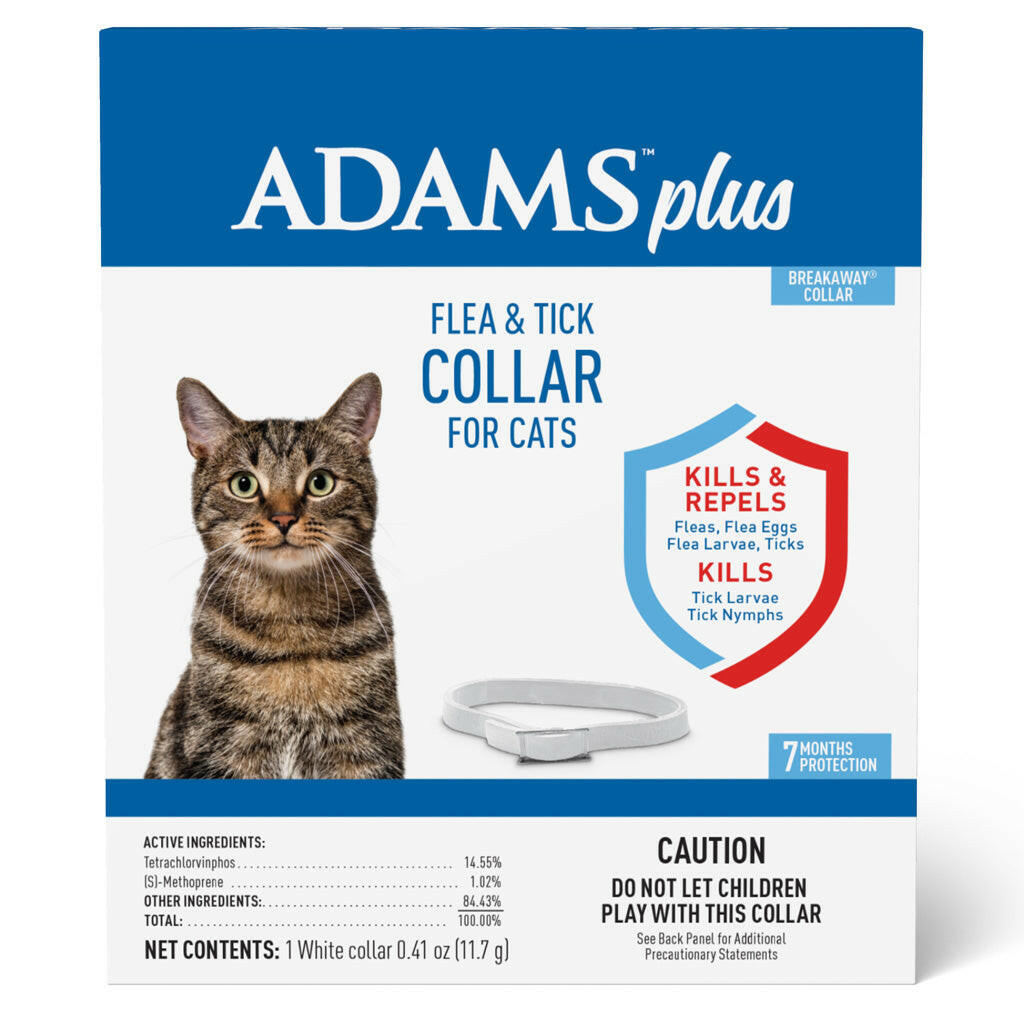
Depending on the region, ticks activate as soon as temperatures hold steady in the mid-40s. That's March in a lot of places. A vet can recommend the right preventative, whether that's a topical treatment, chewable tablet, or tick collar. Even with prevention running, a tick check after every outdoor stretch is non-negotiable. Run hands over the dog's whole body. Between the toes, inside the ears, along the collar line. Two minutes. Should be pure habit.
A fine-toothed flea comb earns its spot in the grooming kit, too. Quick pass through the fur, especially around the tail base. Tiny black specks that turn reddish-brown when wet? Flea dirt. Time to act.
Mud Season Is a State of Mind
Spring means mud. Staggering, spectacular amounts of mud. Dogs treat it like a personal invitation to joy. Fighting it is pointless. Damage control is the way.
Microfiber towel by the door. Waterproof dog bed cover. A mudroom routine where the dog gets wiped down before crossing the threshold. Some dogs tolerate booties for walks. Others would sooner eat them. Know the dog, adjust accordingly.
Scout the yard before turning any dog loose in it for spring. Check for mushrooms that surfaced over winter, fertilizer or pesticide drift from neighbors, and fence gaps that frost heave might have opened up. Dogs find escape routes roughly thirty seconds before their owners do. And they always look extremely pleased with themselves about it.
Your Dog Is Probably Out of Shape After Winter
Easy to overlook, this one. A dog that spent most of winter as a professional couch ornament shouldn't launch into a five-mile hike the first warm Saturday. Dogs need to rebuild stamina just like people do. Start with shorter, more frequent walks and ramp up over a few weeks.
Older dogs especially. Joints stiffen after cold months of limited movement. Mixing a joint supplement into food starting in late winter helps, and letting the dog set the pace on early spring walks is just good sense. Some days a dog wants to trot for an hour. Other days they'd rather investigate every single mailbox post in a two-block radius and call that a workout. Both count.
Bring water on walks too. Dogs overheat faster than most people expect on those first warm days because they haven't acclimated yet. A collapsible travel bowl clips right onto a leash. One of those small purchases that quietly proves itself indispensable.
Spring Cleaning, But Make It Dog-Safe
While tearing through that annual deep clean, audit your cleaning products for pet safety. Standard household cleaners leave residues dogs absorb through their paws and swallow when they lick themselves. Pet-safe floor cleaners work just as well and eliminate one more thing to worry about.
Treating the lawn? Look for pet-friendly fertilizers and weed treatments. The bag should state clearly whether it's safe for animals. When in doubt, keep dogs off treated areas for at least 48 hours.
And while in cleaning mode, wash all the dog's gear. Beds, blankets, plush toys, harnesses, collars. Everything accumulates months of grime over winter. A thorough wash freshens things up and strips out allergens clinging to fabric. If the dog's bed looks flat and defeated, replace it. Dogs spend around fourteen to sixteen hours a day sleeping, and a supportive, well-cushioned bed matters more than most owners realize.
That Vet Visit That Keeps Getting Postponed
Spring is the right time for an annual wellness check. A vet can catch early signs of heartworm, update vaccinations, and assess whether the dog's weight landed where it should after winter. A lot of dogs pack on a couple of pounds during the cold months. Surplus treats during movie nights stack up faster than anyone wants to admit. A vet will deliver a polite but unmistakable nudge to scale back.
Dogs on year-round heartworm prevention are ahead of the game. For everyone else, spring is when that absolutely needs to restart. Mosquitoes return fast, and heartworm is vastly easier to prevent than treat.
Get Out There
After months of short, dark, freezing walks where everyone just wanted it over with, spring feels earned. Longer days. Warmer air. Tails going nonstop because everything smells brand new.
Try a trail that hasn't been walked before. Rig up a backyard agility course with some jumps and a tunnel. Sign up for that training class that's been "about to happen" since October. Or just sit on the porch with the dog and a coffee and watch the neighborhood thaw out.
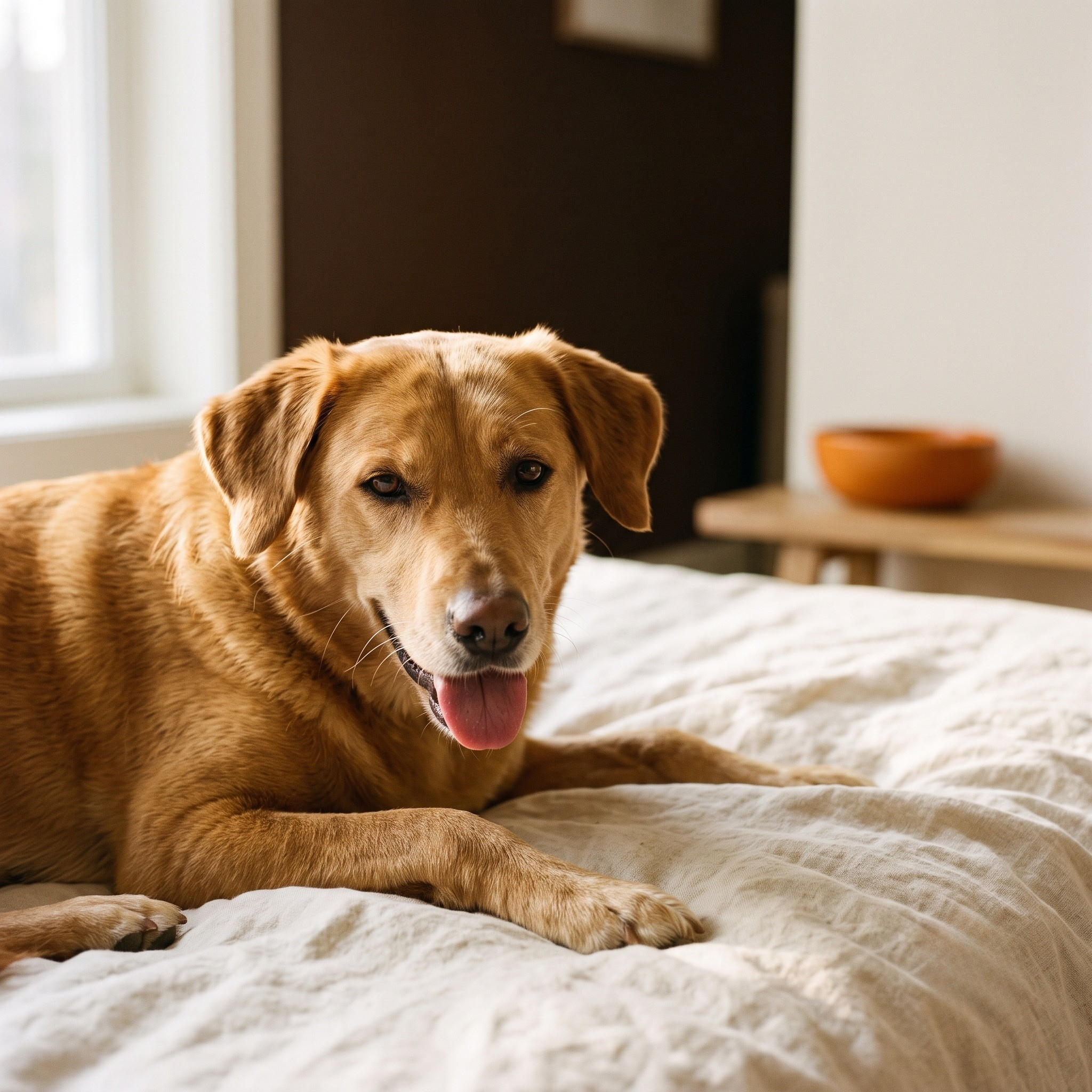
Sometimes the best spring activity is the simplest. A dog parked in a sun patch, doing absolutely nothing, radiating contentment. Sometimes the best thing an owner can do is just... be there for it.
Grab what's needed. Flea prevention, grooming tools, a fresh bag of joint supplements, maybe a new harness for all those longer walks ahead. Make this spring a good one. The dog's already been waiting since February.