


How to Switch Your Dog to a New Food Without an Upset Stomach
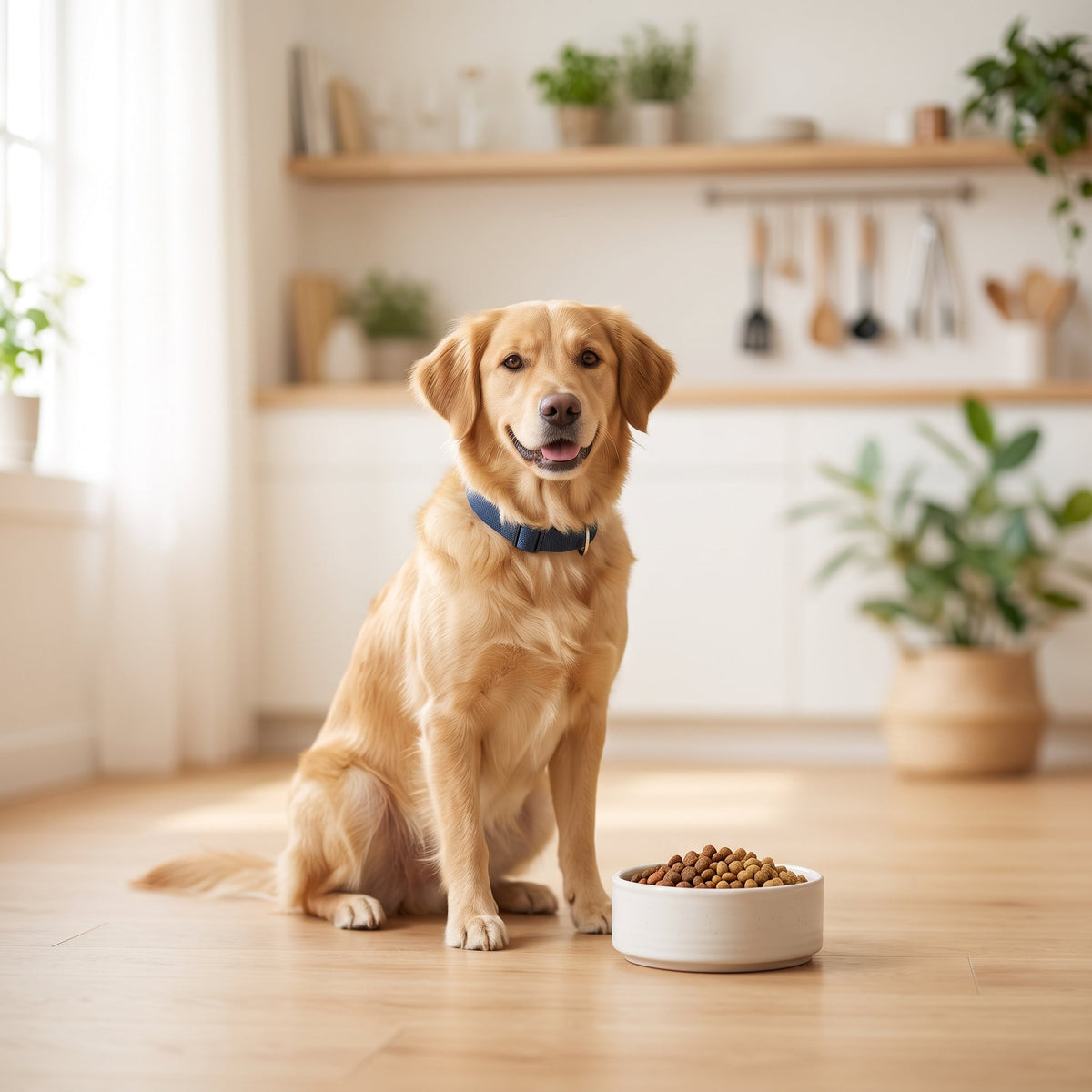
Switching dog food sounds simple. Pour the new kibble in the bowl, put the old bag away, done. That approach lands a lot of dogs at the vet with diarrhea, vomiting, or a full-blown food strike.
A slow, structured transition avoids almost all of it. This guide walks you through the standard schedule, the warning signs that mean you're moving too fast, and the special cases (puppies, seniors, sensitive stomachs) that need a different pace.
Why a Gradual Food Transition Matters
Your dog's gut is home to a specific mix of bacteria that has adapted to whatever they've been eating. Change the food overnight, and that bacterial population gets disrupted. The result is usually loose stool, gas, or vomiting. Sometimes worse.
A gradual switch gives those gut microbes time to adjust. It also lets you spot an allergy or intolerance before your dog has eaten a full bowl of something that doesn't agree with them.
There's a second reason too. Dogs can be picky. A slow blend of old and new lets a hesitant eater warm up to a different flavor or texture without refusing the bowl entirely.
The Standard 7 to 10 Day Dog Food Transition Schedule
Most healthy adult dogs do well on a seven to ten day switch. Here's the ratio to follow:
- Days 1 to 2: 75% old food, 25% new food
- Days 3 to 4: 50% old food, 50% new food
- Days 5 to 6: 25% old food, 75% new food
- Days 7 to 10: 100% new food
Mix the two foods together in the same bowl at each meal. Don't feed them separately and don't alternate meals. You want the gut to see a steady, shifting blend.
If your dog handles each stage well (normal stool, normal appetite, no vomiting), you can move to the next stage on schedule. If anything looks off, hold at the current ratio for an extra day or two before advancing.
When to Slow the Transition Down
Some dogs need fourteen days or longer. Take it slower if:
- Your dog has a history of a sensitive stomach or food allergies
- You're switching between two very different formulas (kibble to raw, chicken to fish, grain-inclusive to grain-free)
- Your dog is recovering from illness, antibiotics, or a recent stressful event
- The old food and new food have very different protein sources or fat percentages
For these cases, stretch each stage to three or four days instead of two. A slower ramp costs you a few extra days and saves you a lot of trouble.
Warning Signs You're Moving Too Fast
Watch for these during the transition:
- Loose stool or diarrhea lasting more than a day
- Vomiting, even once
- Excessive gas or a bloated belly
- Loss of appetite or refusing meals
- Itchy skin, ear scratching, or paw licking that starts after the switch
- Low energy or unusual lethargy
Mild, brief loose stool on day one or two isn't unusual. Anything that lasts, or anything more serious, means back up. Return to the previous ratio for two or three days, then try advancing again more slowly.
If symptoms don't clear within 48 hours of backing up, stop the transition and call your vet.
Special Cases
Puppy Food Transition
Puppies have smaller reserves and get dehydrated faster than adult dogs, so a bout of diarrhea is more serious. Use the full ten day schedule at minimum. When transitioning a puppy from a puppy formula to an adult formula (usually around twelve months for small breeds, eighteen to twenty four months for large breeds), stretch it to fourteen days.
Senior Dogs
Older dogs often have slower digestion and less resilient gut flora. A ten to fourteen day schedule is the safer default. Seniors are also more likely to have underlying conditions (kidney, liver, dental issues) that affect how they handle a diet change. Check with your vet before switching, especially if your dog is on a prescription diet.
Dogs with Sensitive Stomachs or Allergies
For dogs with known food sensitivities, run the transition over two to three weeks. Consider starting a probiotic a few days before you begin the switch. A limited ingredient or novel protein food is often easier to introduce than a complex multi-protein formula. Browse our sensitive stomach dog food collection for options built for this.
Switching Between Wet, Dry, and Raw
Different food formats digest at different speeds and hold different moisture levels. When crossing formats (dry to wet, wet to raw, kibble to fresh), use a fourteen day schedule and watch stool consistency closely. Fresh and raw diets can produce firmer, smaller stools once your dog adjusts, which is normal.
How to Support Digestion During the Switch
A few small additions can smooth the whole process:
- Probiotics help populate the gut with beneficial bacteria and are one of the most effective tools for reducing transition-related diarrhea. Our dog probiotic and digestive supplements are formulated for exactly this kind of use.
- Plain canned pumpkin (not pie filling) is a natural source of fiber that helps firm up loose stool. A teaspoon for small dogs, up to a tablespoon or two for large dogs, mixed into meals.
- Bone broth, unsalted and onion-free, can encourage a hesitant eater and adds gentle hydration.
- Consistent meal times matter more than most people realize. Keep the same schedule you already use.
Skip the treats, table scraps, and new chews during the transition window. Isolate the diet change so you can actually tell what's working and what isn't.
When to Call Your Vet
Reach out to your veterinarian if you see:
- Diarrhea lasting more than 48 hours
- Vomiting more than once in a day, or any vomiting in a puppy or senior
- Blood in the stool or vomit
- Signs of dehydration (dry gums, skin that doesn't spring back when gently pinched)
- Any severe change in behavior, energy, or appetite
Food transitions rarely cause emergencies, but they can unmask an existing issue. Don't wait it out if something feels wrong.
FAQ
How long should a dog food transition take? Seven to ten days for most healthy adult dogs. Fourteen or more for puppies, seniors, dogs with sensitive stomachs, or when switching between very different formulas.
Can I mix two brands of dog food long term? Yes, once the transition is complete and your dog is doing well, feeding a consistent blend of two foods is fine. Just don't keep swapping the ratio around, since that undoes the gut adaptation you just built.
What if my dog refuses the new food? Slow the transition and lower the new food ratio. Warming the food slightly, adding a splash of unsalted bone broth, or mixing in a small amount of wet food can help. If they still refuse after several days, the food may not be a good match and it's worth trying a different formula.
Do I need to transition if it's the same brand, just a different flavor? Yes. Different proteins and fat sources can still upset the gut, even within one brand. A shorter five to seven day transition usually works for same-brand flavor changes.
Is a probiotic really necessary? Not strictly necessary, but it noticeably reduces the risk of loose stool and speeds up gut adaptation. For dogs with a history of digestive trouble, it's worth adding.
Shop quality dog food, probiotics, and digestive supplements at The Pet Perch. If you have questions about a specific product for your dog's transition, reach out and we're happy to help you pick.