






How to Cycle a Fish Tank and Why It Matters (2026)
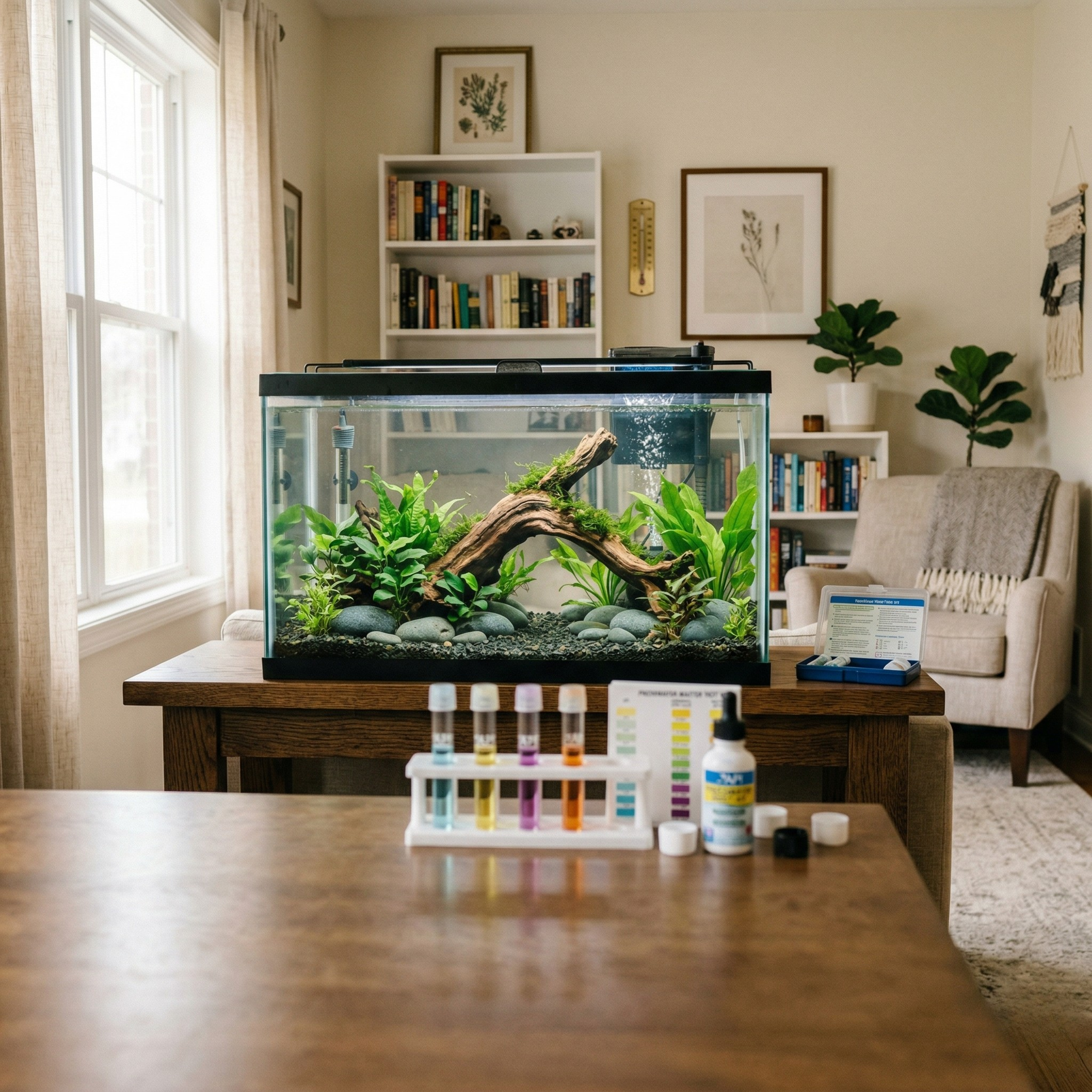
You just set up a beautiful new aquarium. The gravel's in, the filter's humming, and you're ready to stock it with fish. But that crystal-clear water? It's actually a trap. Without cycling your fish tank first, you're dropping your fish into a toxic environment they probably won't survive.
Learning how to cycle a fish tank is the single most important thing you can do before bringing fish home. It's not glamorous. Takes patience. Real patience. But it's the difference between a thriving aquarium and watching your fish die within a week.
What Is the Nitrogen Cycle in a Fish Tank?
Every aquarium is a tiny closed ecosystem. Fish eat, they produce waste, and that waste breaks down into chemicals that will poison them if nothing keeps it in check. The fish tank nitrogen cycle is nature's built-in water purification system. It runs entirely on beneficial bacteria for your aquarium, colonies of microorganisms that grow on your filter media, gravel, decorations, and basically every wet surface in the tank.
These bacteria don't magically appear the day you fill your tank with water, though. They need to be cultivated. That's what cycling is.
The Three Stages: Ammonia, Nitrite, Nitrate
Fish waste and uneaten food decompose into ammonia. Even tiny amounts of ammonia burn gills and can kill fish within days. A group of bacteria called Nitrosomonas feeds on ammonia and converts it into nitrite. The bad news? Nitrite is also toxic. So a second group, Nitrobacter, steps in and converts nitrite into nitrate. Nitrate is much less harmful at low concentrations, and you remove it through regular water changes.
That's the whole cycle. Ammonia becomes nitrite, nitrite becomes nitrate, and water changes keep nitrate from building up. Simple on paper. The tricky part is growing those bacterial colonies before your fish are swimming in their own waste.
Why New Tank Syndrome Kills Fish
New tank syndrome is exactly what it sounds like. Fish dying in a brand new aquarium because the nitrogen cycle hasn't had time to establish. Zero beneficial bacteria means ammonia rockets up almost immediately after you add fish. Then nitrite follows. Fish get stressed, stop eating, hover near the surface gasping. Many don't recover.
It's completely preventable. That's the worst part.
New tank syndrome is the number one reason beginners walk away from the hobby entirely. They think they did something wrong or that fishkeeping is impossibly difficult. In reality, they just missed one critical step.
How to Cycle a Fish Tank Before Adding Fish
Cycling an aquarium without fish is the safest approach and honestly the most practical one too. Instead of using live fish to generate ammonia (and forcing them to endure toxic spikes), you introduce an artificial ammonia source and let the bacteria build up in peace.
What You'll Need
Your tank should be fully set up with the filter running, a heater set to 75 to 80°F, a liquid aquarium water test kit (grab the API Master Test Kit, not strips), and a source of ammonia. Pure ammonia from a hardware store works great. You can also drop fish food in and let it rot, but pure ammonia is easier to dose accurately.
Step by Step Fishless Cycling Process
Add ammonia to your tank until your test kit reads somewhere around 2 to 4 ppm. Then you wait. Test every day or two.
After roughly a week, sometimes less, sometimes more, nitrite readings will start appearing. That's your signal. The first bacteria colony is establishing itself. Keep dosing ammonia so they have food.
Nitrite will climb, peak, and then gradually start dropping as the second colony catches up. Watching this happen through your test kit readings is honestly pretty fascinating once you know what you're looking at.
Here's when you know you're done. Your tank processes 2 ppm of ammonia all the way down to 0 ammonia and 0 nitrite within 24 hours, and you can see nitrate present in your readings. Do a big water change to knock nitrates down, and you're ready for fish.
How to Know When Your Tank Is Fully Cycled
Don't guess. Test.
Testing Your Aquarium Water Parameters
A properly cycled tank shows these aquarium water parameters: ammonia at 0 ppm, nitrite at 0 ppm, and nitrate somewhere in the 5 to 20 ppm range. All three numbers matter. If ammonia reads zero but you never actually saw nitrite spike and then drop back down, your cycle hasn't completed. It probably just hasn't generated enough waste yet to get rolling.
One good test result isn't enough either. You want several consistent readings over consecutive days. Dose ammonia again and confirm your tank processes it completely within 24 hours. That's the real proof.
Tips for Building Beneficial Bacteria Faster
Patience is the main ingredient. No way around that. But you can create conditions that help things along.
Seeded filter media from an established tank is the single fastest shortcut. Know someone with a healthy aquarium? Ask them for a used filter sponge or a handful of ceramic bio rings. You're essentially transplanting a living bacterial colony straight into your system. Some fishkeepers have fully cycled a new tank in under a week doing this.
Bottled bacteria products are another option. Results are inconsistent and vary a lot depending on brand and how the product was stored, but they can knock a few days off the timeline.
Keep that filter running around the clock. Beneficial bacteria need constant oxygenated water flow. Shutting your filter off overnight, even once, can cause significant die off.
Temperature matters too. Bacteria reproduce faster in warmer water, so bump it up to around 80°F during the cycling phase. Once you're stocked, adjust back to whatever your fish species prefers.
FAQ
Can You Cycle a Tank With Fish In It?
You can. People did it for decades and some still do. It's called a fish in cycle. But it puts enormous stress on the fish. You'd need to do massive daily water changes, sometimes 50% or more, and test obsessively to keep ammonia and nitrite from reaching lethal levels. Cycling an aquarium without fish is just simpler, safer, and less stressful for everyone involved. Including you.
How Long Does It Take to Cycle an Aquarium?
A typical fishless cycle runs four to six weeks. If you're using seeded media from an established tank, you might get there in one to two weeks. Water temperature, how consistently you dose ammonia, and whether you add bottled bacteria all play a role. You can't rush biology. You can only give it good conditions.
Do You Need to Cycle a Tank If You Use Conditioned Water?
Yes. Always. Water conditioner neutralizes chlorine and chloramine so they don't kill your bacteria and fish. That's all it does. It does not create the beneficial bacteria colonies that actually process fish waste. A conditioned but uncycled tank will still spike with ammonia the moment fish go in. New tank syndrome doesn't care whether your water is dechlorinated. Conditioning and cycling solve two completely different problems.
Keep Your Fish Safe From Day One
Cycling isn't the part of fishkeeping that gets people excited. Nobody picks up the hobby because they love watching ammonia test results. But those few weeks of patience build the foundation for everything after. Healthy fish. Clear water. An aquarium you genuinely enjoy instead of one you're constantly troubleshooting.
If you're setting up a new tank or upgrading your current system, The Pet Perch carries test kits, filter media, and everything you need to cycle with confidence. Browse our aquarium collection and give your fish the safe start they deserve.



)